
Treatment Options

In a typical treatment session, you can expect a combination of the techniques listed below.
Treatments are agreed upon by the practitioner and the patient after a thorough explanation of what they are and why they are recommended. Riverdale Physiotherapy understands that every patient is different and has their own unique goal(s) when attending physiotherapy. Treatment sessions will reflect the patient's goal(s).
.jpg)
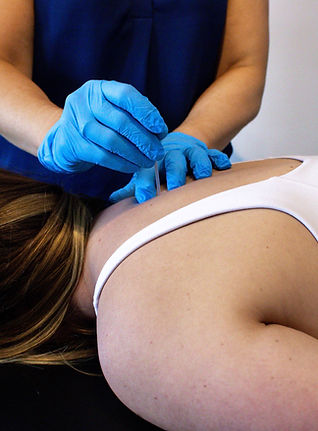
Intramuscular Stimulation
Involves inserting a tiny needle in a muscle(s) in order to release shortened bands of muscles and decrease trigger point activity. This can help resolve pain and muscle tension, and will promote healing. This is not traditional Chinese Acupuncture, it is a medical treatment that relies on a medical diagnosis to be effective.
.jpg)
Exercise
Exercise plays a major role in recovery! Stretching, strengthening, functional movement and self mobilizations are a great way to ensure recovery is achieve and maintained long term. Exercise is crucial part of physiotherapy treatments and all patients will have a home exercise program to aid in their recovery.
.jpg)
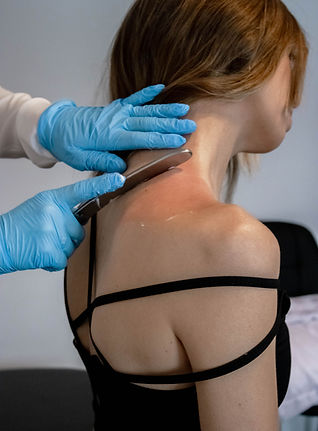
Graston
Involves the use of stainless-steel instruments to assist in delivery of manual therapy for soft tissue conditions. When combined with the appropriate therapeutic exercise and other treatment techniques, Graston Technique aids in the restoration of pain-free movement and function.
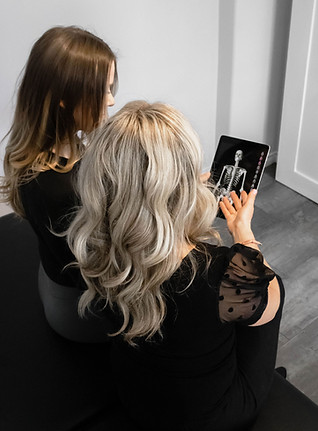
Education
One of the most important aspects of physiotherapy treatment is patient education. It is extremely important to spend adequate time explaining clinical findings and diagnosis so the patient understands what is going on with their body. Patient education is never rushed at Riverdale Physiotherapy, and all questions are welcomed.
.jpg)
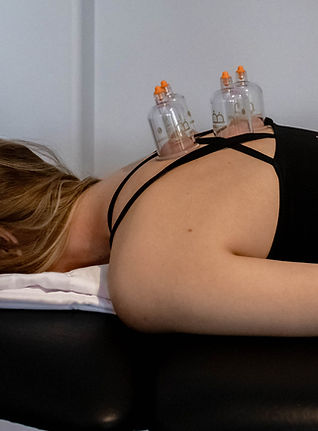
Cupping
Cupping uses suction to draw blood to or away from specific areas of your body. People mostly use cupping to relieve conditions that cause pain.

Dizziness/Vertigo
This specialized form of physiotherapy assesses and treats vestibular dysfunction. Symptoms can include dizziness, disequilibrium, lightheadedness, vertigo, imbalance, and nausea.

Pelvic Floor / Women's Health
Focuses on the muscles, nerves, and connective tissues of the pelvic floor to support bladder, bowel, and sexual health. It can help with conditions such as pelvic pain, incontinence, prolapse, painful intercourse, pregnancy- and postpartum-related issues, and recovery after gynecological surgery. Treatment is personalized and may include education, exercise, manual therapy, and strategies to improve strength, coordination, and confidence in everyday life

Taping
Kinesiology (K) taping is a supportive technique used to facilitate or inhibit muscles and provide support to ligaments and tendons. It can help reduce pain, improve movement, and enhance function while allowing full range of motion. Whether managing a sports injury or ongoing pain, K taping can be an effective part of your overall treatment and recovery plan.

Motor Vehicle Accident (MVA)
Focuses on restoring movement, reducing pain, and improving function after injury. Our tailored rehabilitation programs help you regain strength, mobility, and confidence so you can return to daily life safely. We also take care of all the paperwork and liaise with insurers to streamline the process, making it easy and stress-free—so you can focus on your recovery and getting better.

Modalities
Physiotherapy modalities are used to help decrease pain, promote relaxation, and reduce inflammation as part of your treatment. Techniques such as heat, ice, or electrical therapies (i.e., TENS) can support healing and comfort, but they are always used as an adjunct to hands-on treatment and exercise—not as a standalone therapy. This ensures your care remains active, effective, and focused on long-term results.

Paediatrics
Paediatric physiotherapy supports children of all ages to build strength, coordination, and confidence through movement. Our approach is centred on fun, play, and age-appropriate activities rather than rigid exercise programs, helping children learn new skills in a positive and engaging environment while supporting their development and independence.

Imaging (X-Ray & Ultrasound)
Morgan is able to request X-ray and ultrasound imaging when appropriate, following the completion of additional postgraduate training. This allows for timely investigation and coordinated care to support accurate diagnosis and effective treatment planning.